About the narrator and his work at Visual AIDS
A student from our group, Giulia Armentano, met Kyle Croft, the current Executive Director of Visual AIDS, at the organization's office in Chelsea and was humbled hearing him talk about all that Visual AIDS does, its goals, projects and hopes for the future.
During our conversation, Croft spoke about how Visual AIDS strives to resist the value structure of the art world by giving visibility and welcoming into its archive any artists affected by HIV+, regardless of their status or recognition within the art world.
In this way Visual AIDS not only preserves the work of artists who have died, but supports and uplifts living ones, giving them visibility and helping them to be taken seriously within the art world.
An overview of Visual AIDS
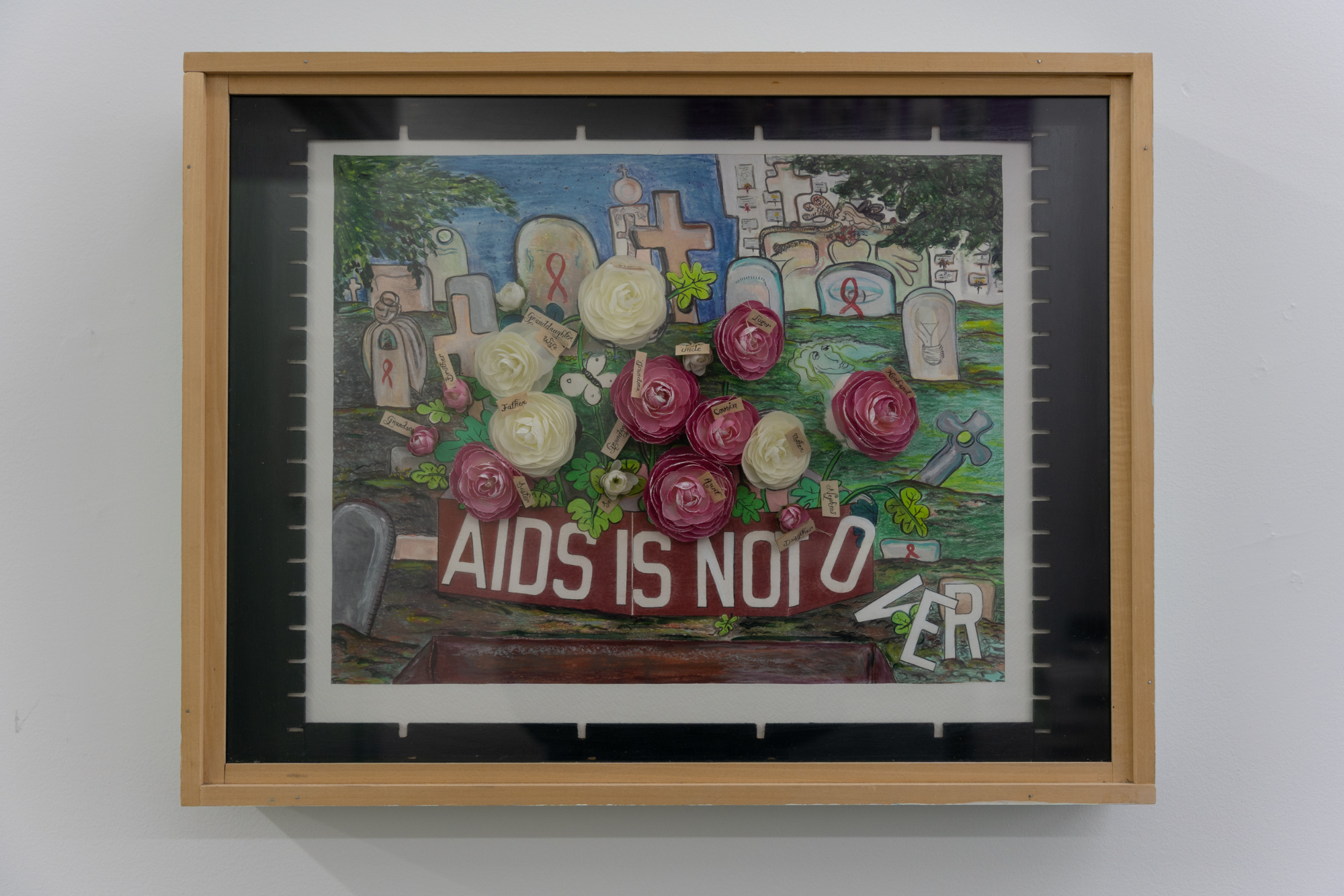
A 3D mixed media painting with pink flowers, gravestones, and text "AIDS IS NOT OVER".
Lorem ipsum description of images above
Kyle Croft on how Visual AIDS started, and the quest for using the power in the art world to make people think about AIDS.
Lorem ipsum description of images above
Kyle Croft on archiving and supporting the work of artists living with AIDS.
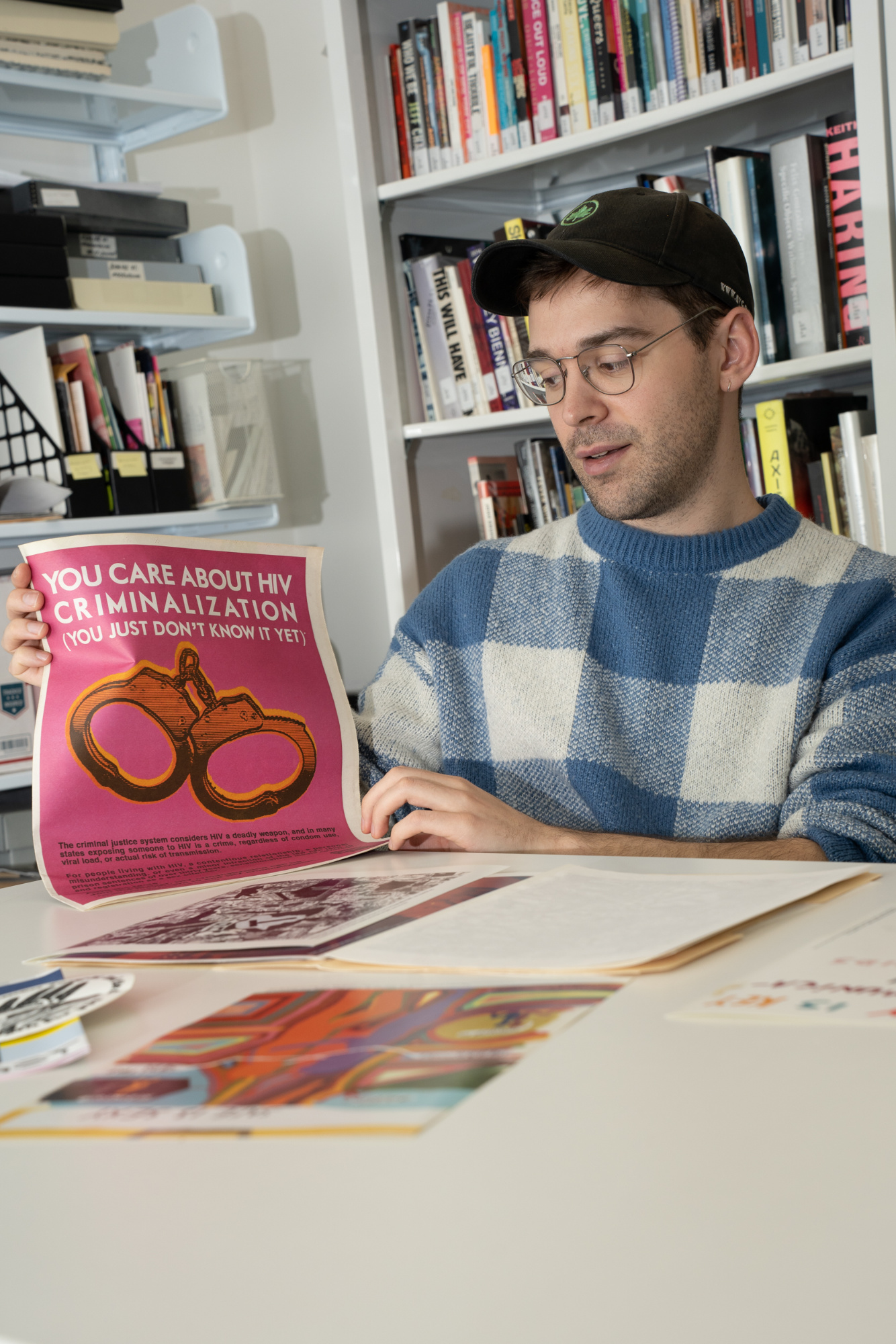
Kyle sitting at a table, holding up a pink poster that reads "YOU CARE ABOUT HIV CRIMINALIZATION : YOU JUST DON'T KNOW IT YET".
Lorem ipsum description of images above
Kyle Croft on how HIV/AIDS is not just history, but is still an urgent issue.
The Archive, and the struggle to not replicate the values of the art world
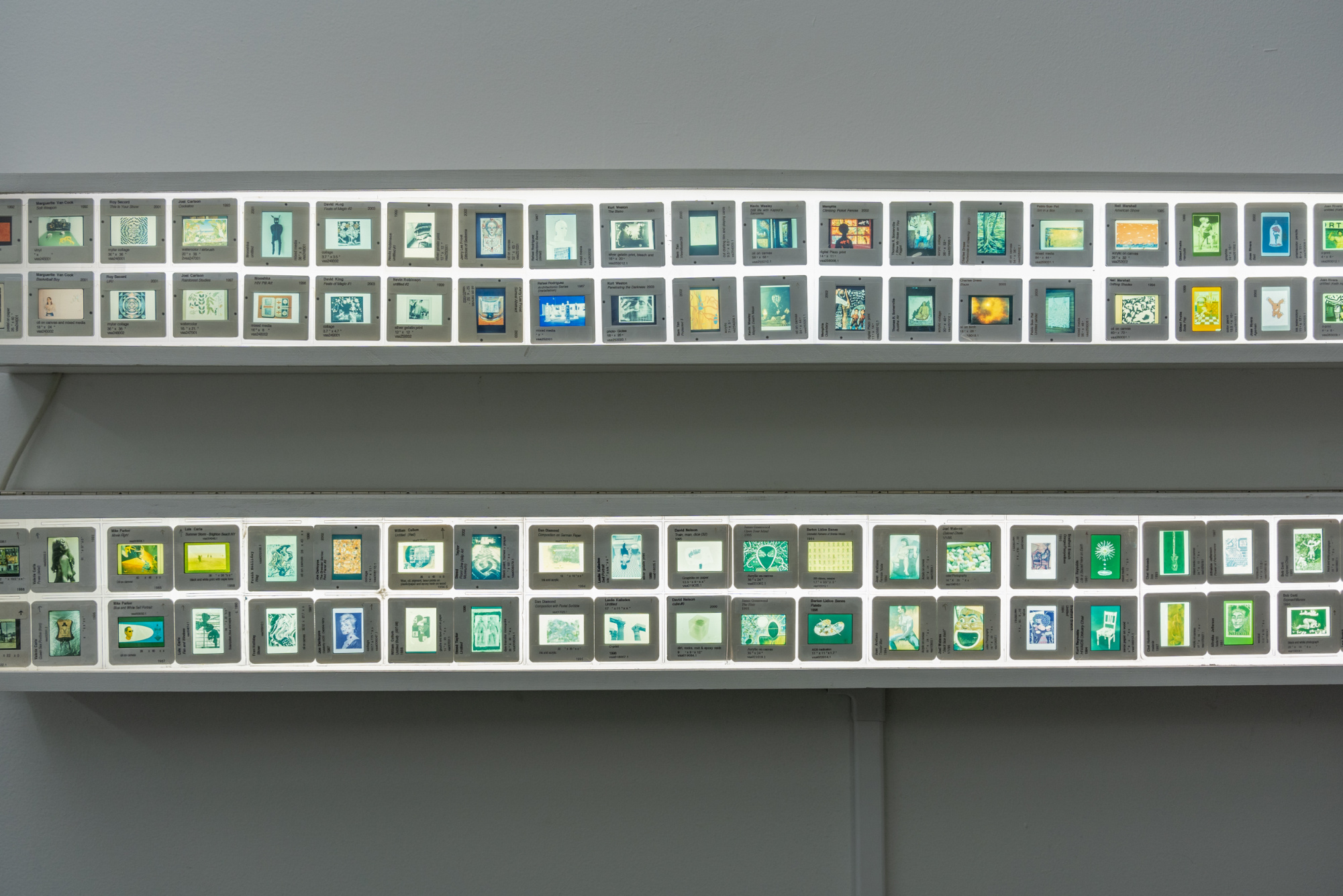
A collection of colorful archival slides arranged in rows, lit up by a lightbox.
Lorem ipsum description of images above
Kyle Croft on Visual AIDS’s commitment to being inclusive while preserving the work and memory of artists who died of AIDS.
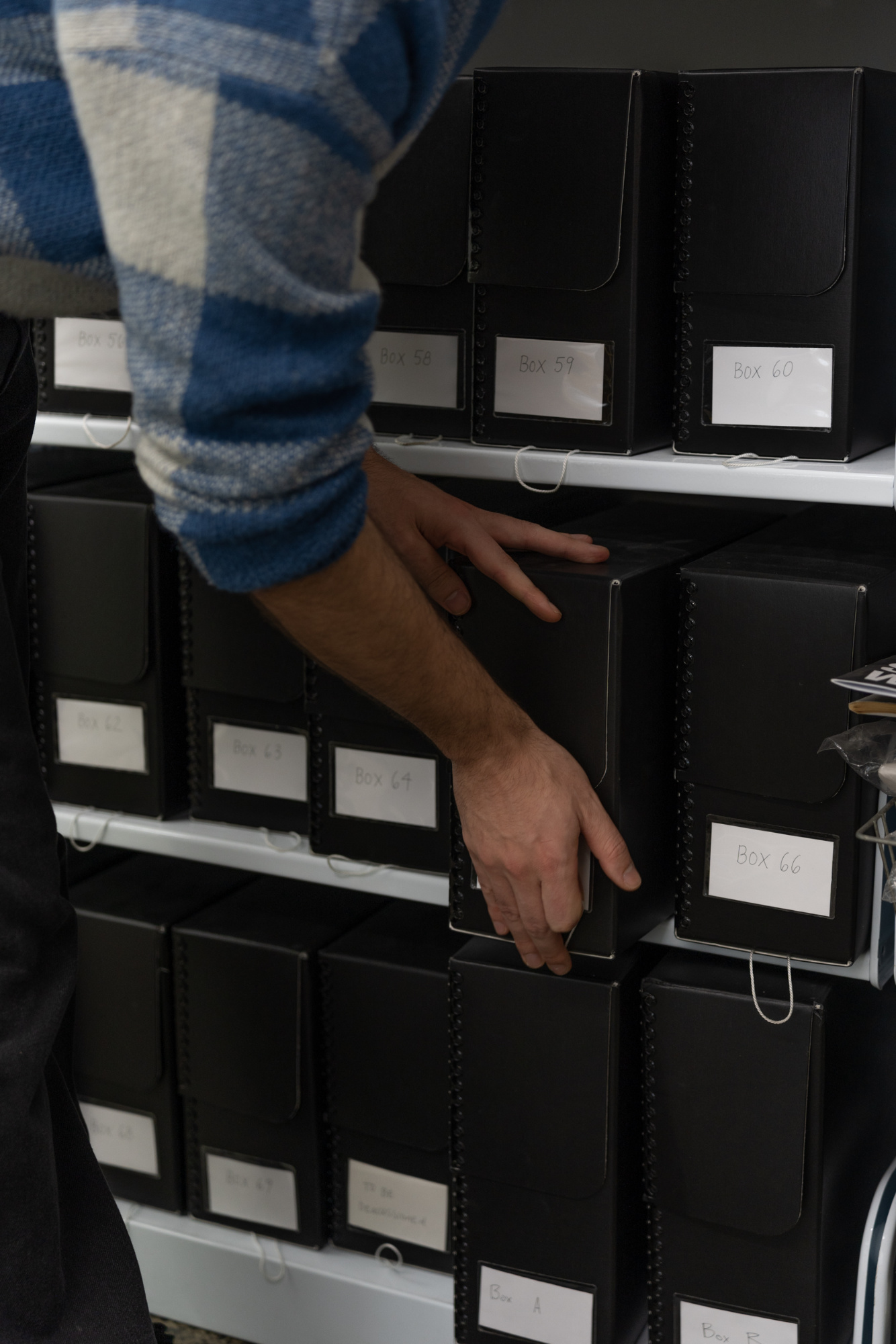
Kyle pulling an archival folder off of a shelf filled with other thick black archival folders.

A closeup of two archival slides depicting Frederick Weston's paintings of a Black woman against a pink background and a young Black boy dressed in all yellow against a blue background.
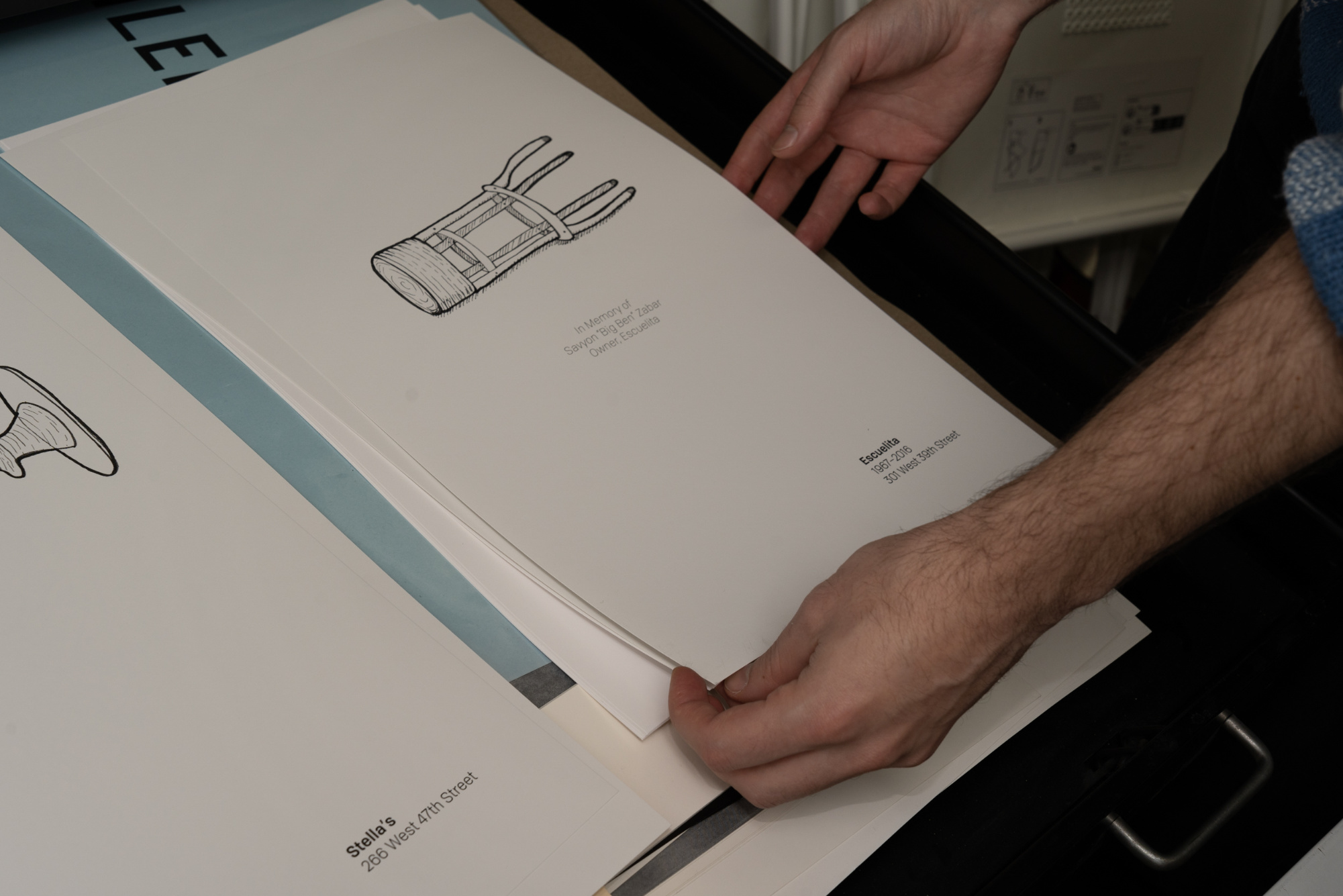
A closeup of Kyle holding an archival file depicting a drawing of a chair.

Kyle looking at posters inside of a long archival storage drawer.
Lorem ipsum description of images above
Kyle Croft on Visual AIDS’s photographic archive

A closeup of Kyle's hands holding a stack of archival slides arranged in plastic folders
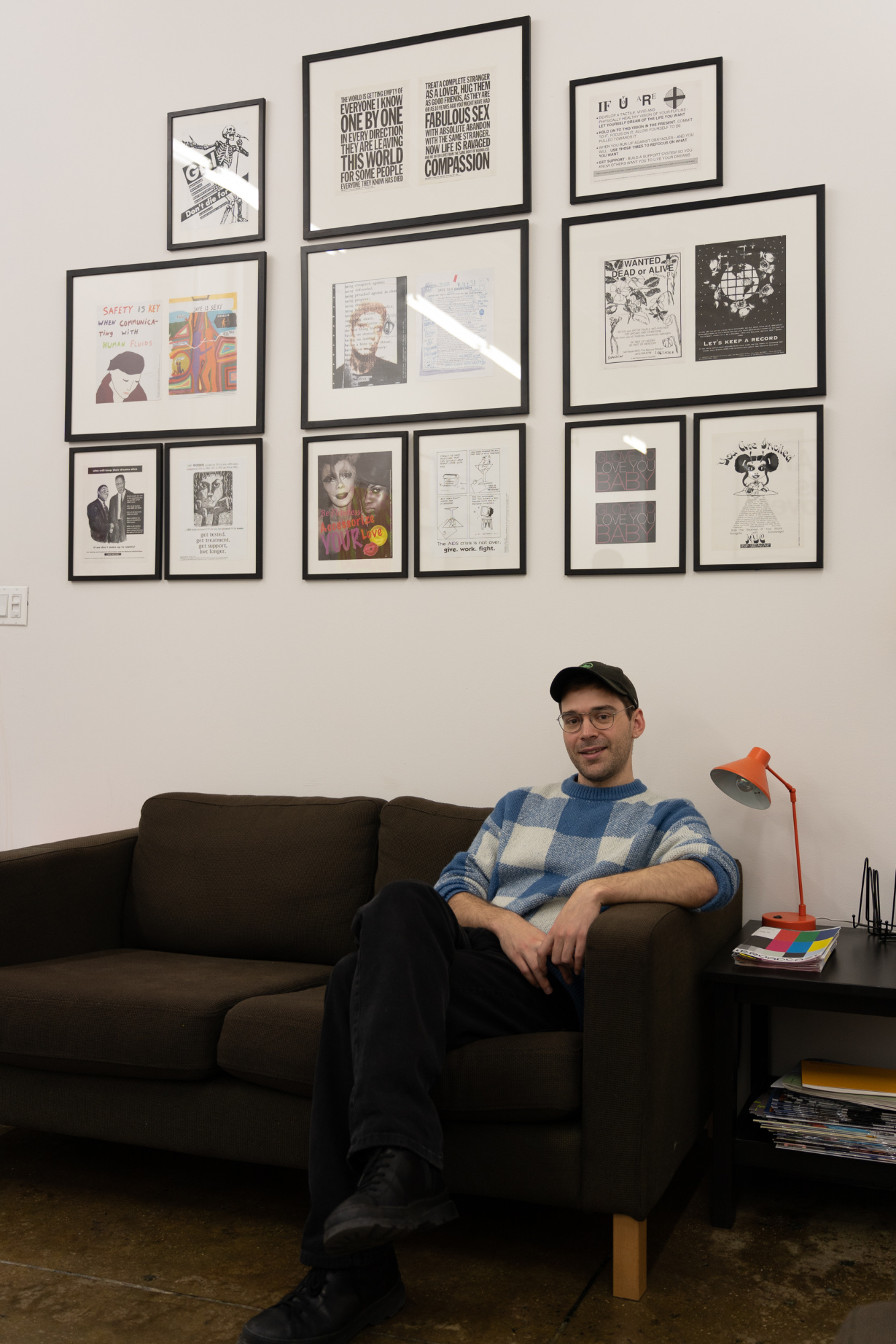
Kyle sitting on a black couch under framed posters hanging on the wall.
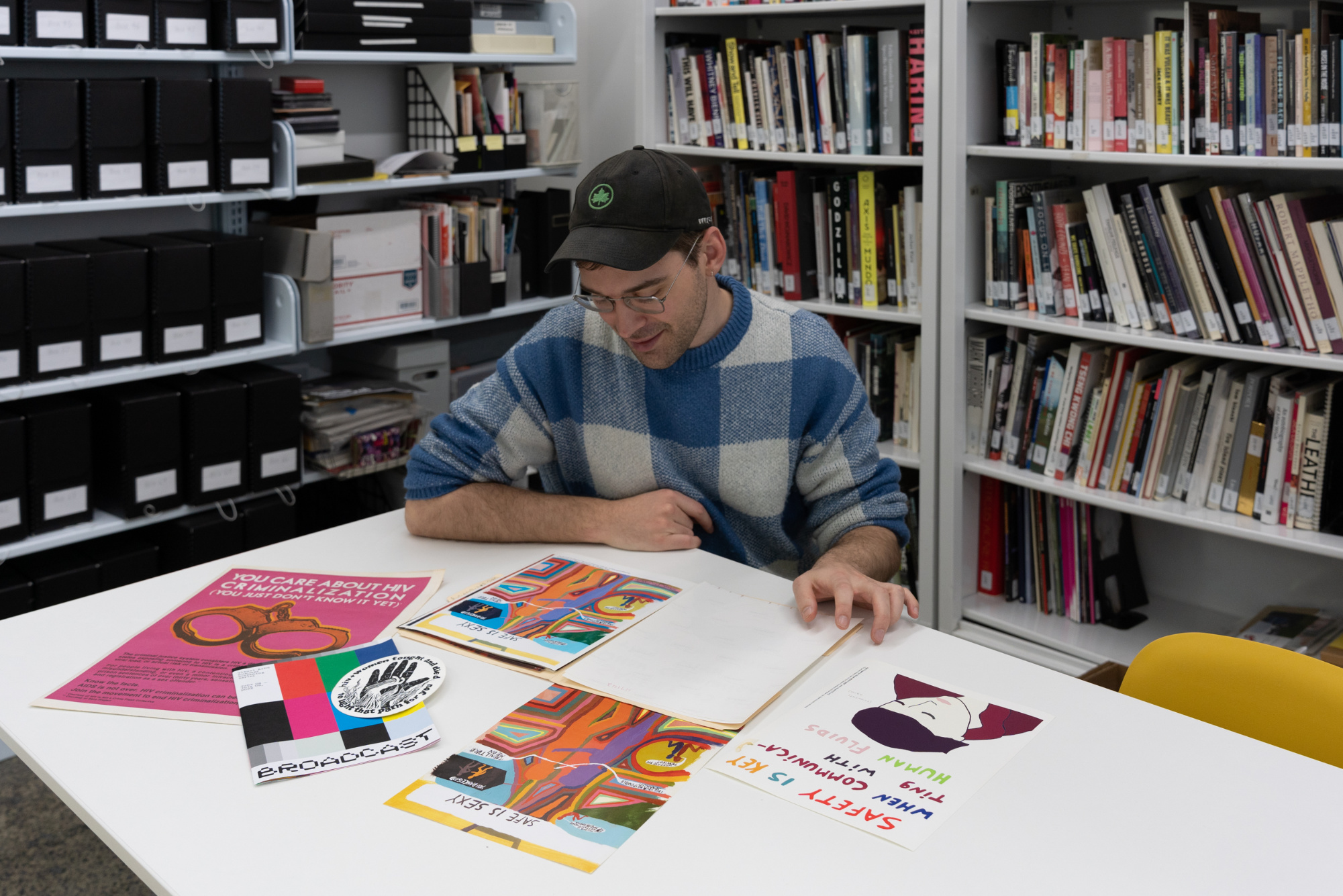
Kyle sitting at a desk smiling, looking at a set of posters.
Lorem ipsum description of images above
Kyle Croft on the fight to make the art world take lesser known artists more seriously.
Day Without Art, and how to make the art world take seriously the AIDS crisis
Kyle Croft on being queer and working in the art world during the AIDS crisis
Lorem ipsum description of images above
Kyle Croft on activism and how to make art institutions start conversations about AIDS.
Lorem ipsum description of images above
Reshaping the narrative about AIDS, AIDS activism and cultural production, and the struggle of being grassroots.

A closeup of Kyle's hand flipping through a document entitled "The Archive Project".
Lorem ipsum description of images above
Kyle Croft on the resurging interest towards the years of the AIDS crisis.
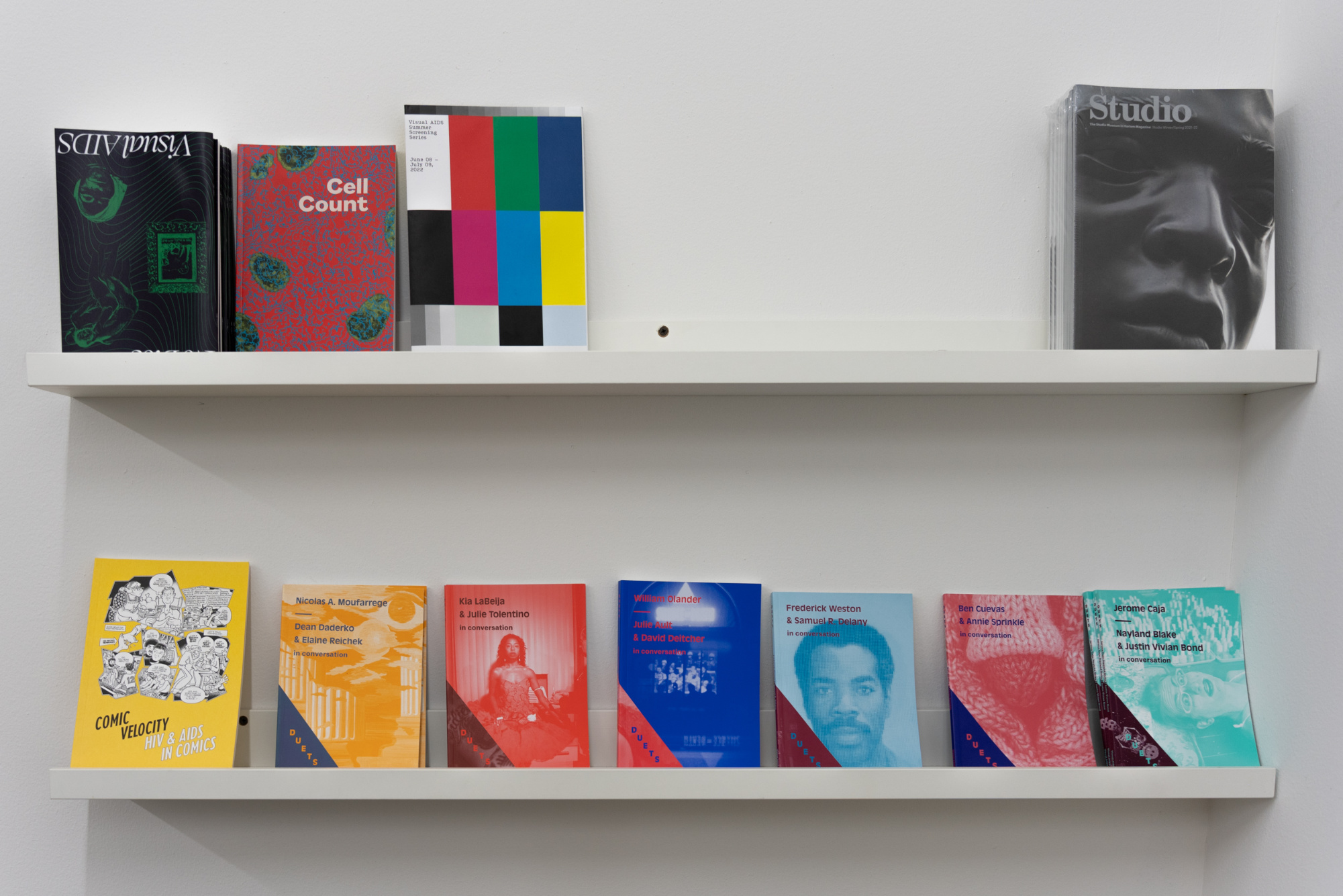
A closeup of two white bookshelves holding colorful books published by Visual AIDS.
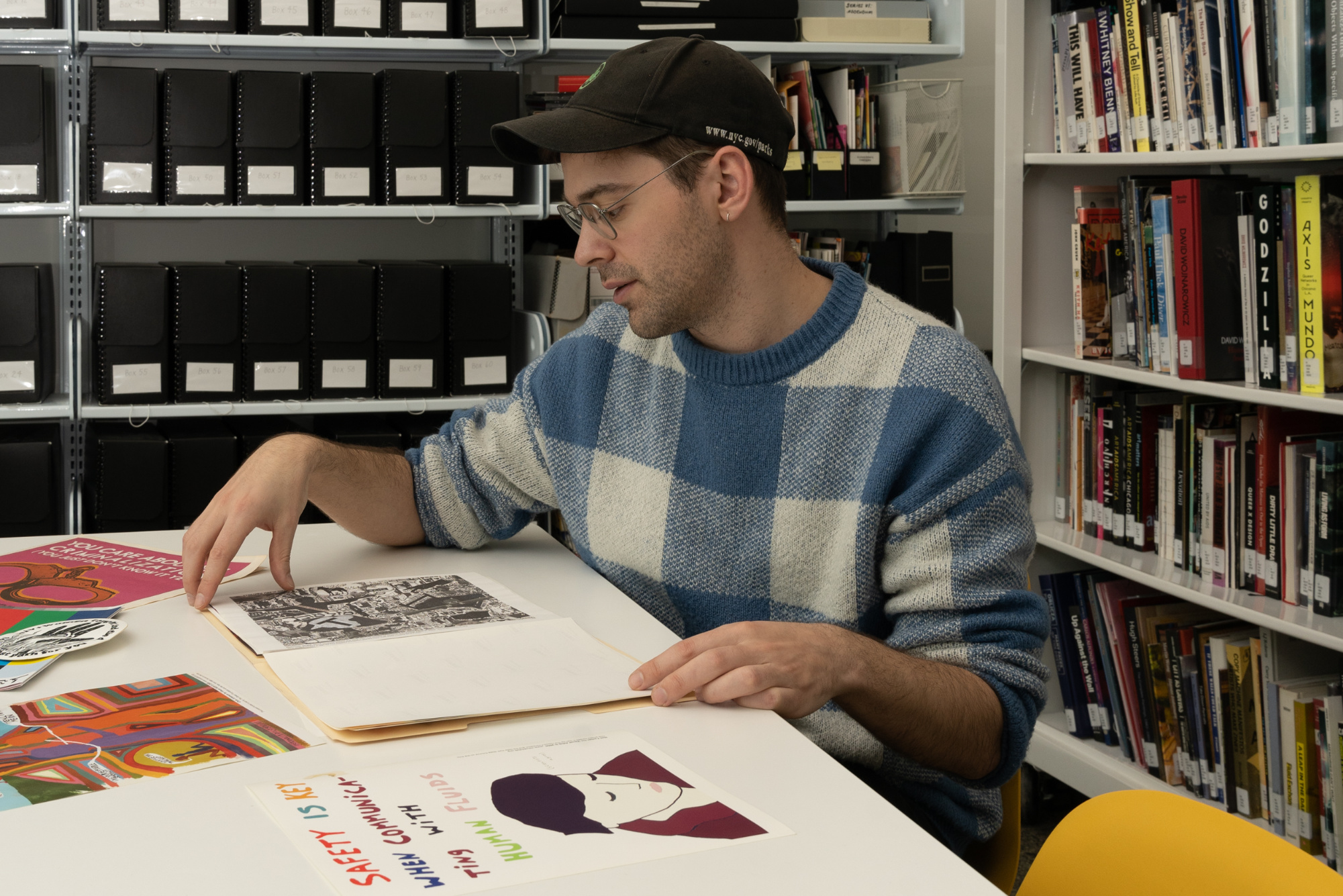
Kyle sitting at a desk looking at a black and white poster.
Lorem ipsum description of images above
Kyle Croft on the fight against misogyny, and reshaping the AIDS narrative.
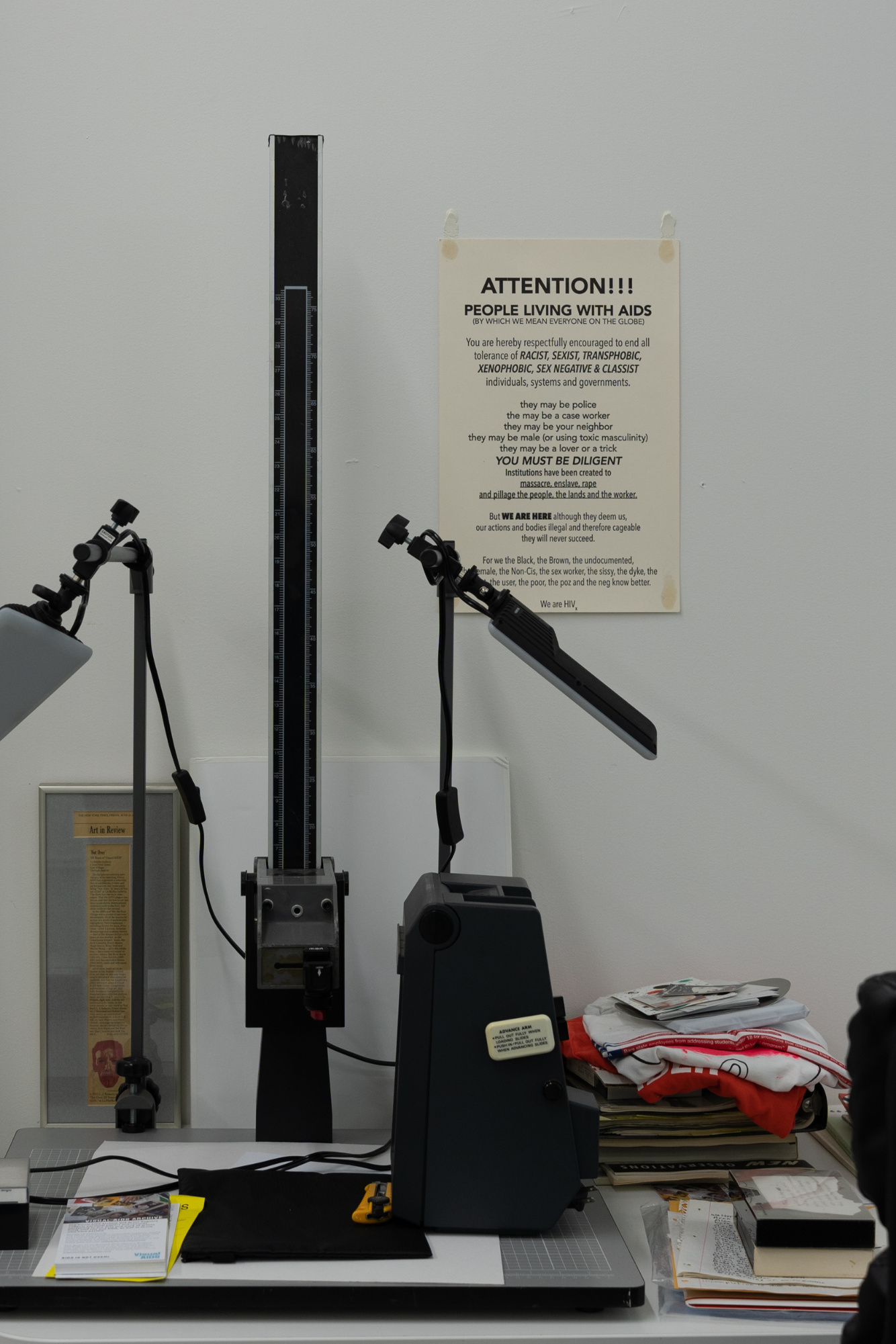
A closeup of a desk with papers stacked, slides enlarger, and a poster hanging on the wall which reads "ATTENTION!! PEOPLE LIVING WITH AIDS".
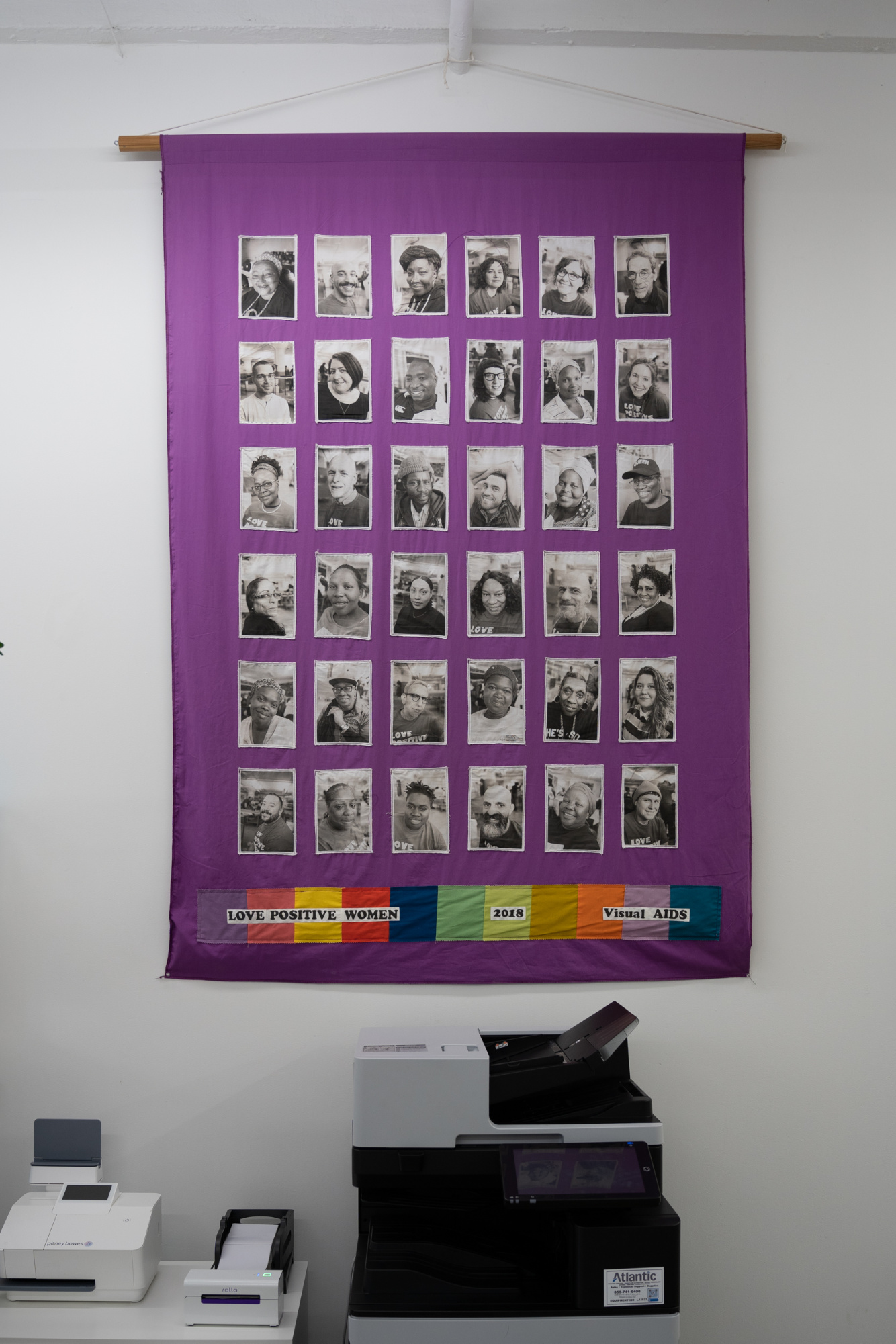
A large purple tapestry with black and white portraits of different people above text that reads "LOVE POSITIVE WOMEN - 2018 - Visual AIDS.
The importance of Visual AIDS in the life of artists living with HIV
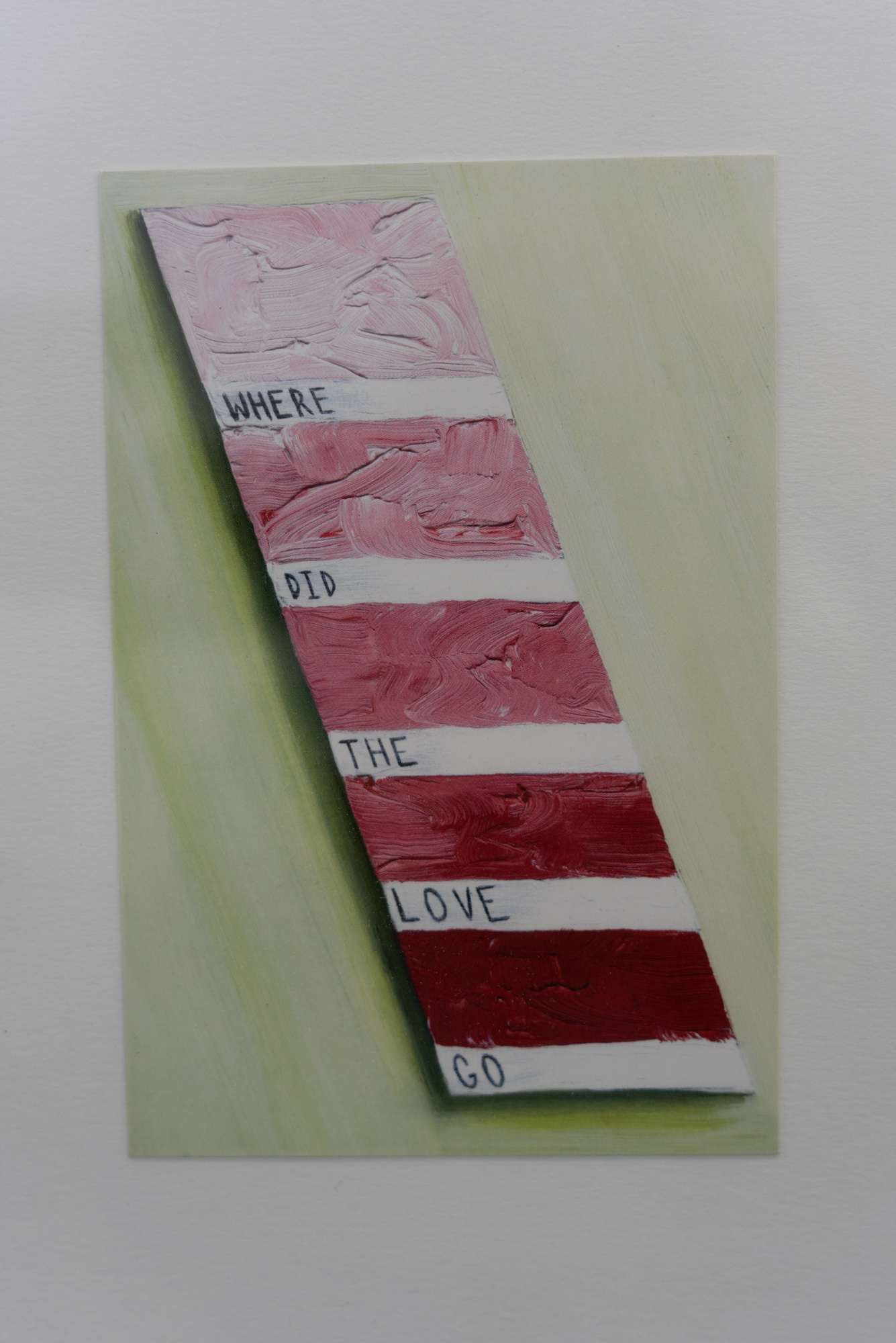
A closeup of a painting depicting a gradient of pink colors with text "WHERE DID THE LOVE GO".
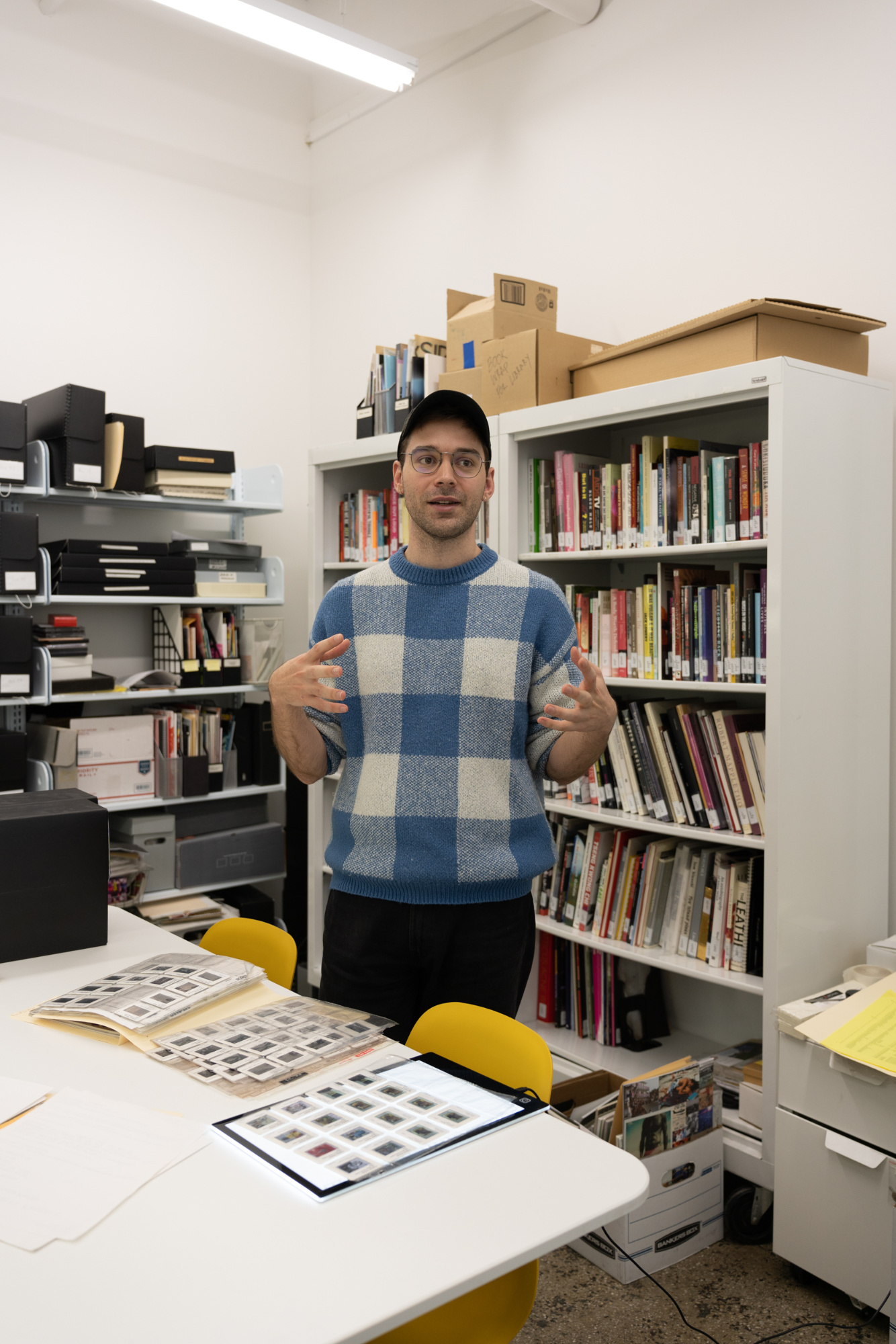
Kyle speaking with hands extended above a folder of archival slides sitting on a desk.
Lorem ipsum description of images above
Kyle Croft on how living artists are supported by the ongoing work of Visual AIDS.